Best holiday exercises
Keeping fit on holiday: quick answer
Sea swimming combines gentle exercise with natural cooling. Outdoor running can be great but only at dawn or dusk and never while dehydrated
A beach holiday is usually all about sun, sea and San Miguel, but it’s also a chance to exercise somewhere far more scenic than the local gym or running route. The trouble is that beach destinations often come with searing midday heat, rich food and the temptations of an all-day bar. Choosing the right activity at the right time of day can make the difference between feeling energised and feeling sluggish.
Swimming: the standout holiday exercise
Swimming is often the only exercise we do on a sunshine resort holiday, and it’s a great all-rounder for working off that all-inclusive buffet.
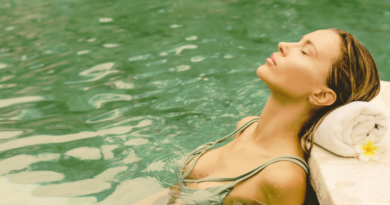
Swimming in the sea
Sea swimming offers natural resistance from waves and currents, which gives muscles more stimulation than you can get in the pool. The cooling effect of seawater is also its biggest advantage in hot climates: you can exercise for longer without overheating, since the water is constantly drawing heat away from the body. The downsides are variable conditions, unpredictable currents, and the need for reasonable open-water confidence and awareness of local safety flags.
Swimming in the pool
Pool swimming is more controlled and consistent. Lengths are measurable, the water is generally calmer, and lifeguards or hotel staff are usually close at hand. It’s a gentler entry point for less confident swimmers, but you are at the mercy of its popularity as it can be crowded at peak times.
Whichever form you choose, swimming is low-impact, easy on the joints, and works the whole body. This, along with its proximity in the resort itself, makes it an excellent choice regardless of fitness level or the temperature outside.
Running and jogging: high reward, higher risk in the heat
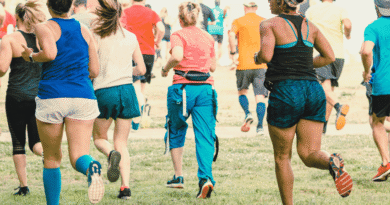
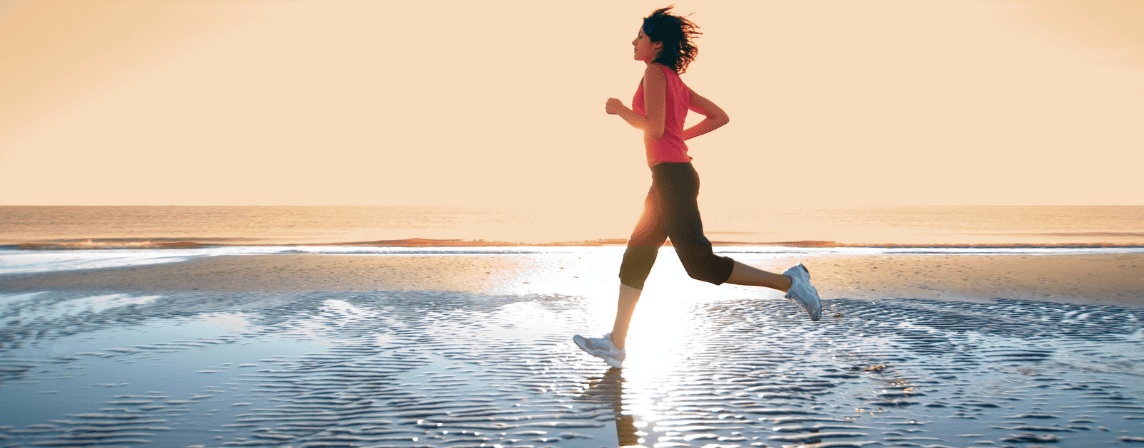
Running burns more calories per minute than swimming or walking and is the most convenient option if you haven’t packed swimwear. On a beach holiday, running on sand also adds an extra strength element, as the unstable surface forces your stabiliser muscles to work harder than they would on solid ground.
The disadvantage is the heat. Running raises core body temperature considerably more than other exercises, and doing so in the peak midday heat increases the risk of dehydration, heat exhaustion and sunstroke. This is where timing becomes genuinely important.
Featured Fact
The first few days of a sun holiday are the riskiest for heat exhaustion as the body hasn’t yet acclimatised
Source: bbc.com/future/article/20260618-how-keep-exercising-when-its-really-hot
Walking: the accessible all-rounder
Walking is often overlooked as an exercise, but on holiday it’s often the most available option. It’s low-impact, doesn’t require any special equipment and can be sustained for far longer than running. A brisk beach walk, particularly along the firmer sand near the waterline, still delivers a decent cardiovascular workout while staying well within a safe heart-rate range in the heat. It’s also the easiest activity to combine with genuine holiday enjoyment: walking to a café, exploring a coastal path, or strolling after dinner.
Run in the sun or jog in the gym?
Running early in the morning, ideally before around 9am, avoids the worst of the heat while still delivering the benefits of an open-air run. Temperatures are typically 10–15°C cooler than midday, UV exposure is far lower, and beaches are usually quieter, making for a genuinely pleasant run. The main drawback is that it requires a bit of discipline on holiday, when rising early isn’t typically the plan.
A treadmill in an air-conditioned gym removes the heat and UV risk entirely and allows precise control over pace and incline, which is useful if you’re following a specific training plan. It is, however, less engaging without the ever-changing scenery and beach views.
For most people, an early morning run is the better choice: it captures the benefits of being outdoors while sidestepping the main risks of exercising in heat. The treadmill is the sensible fallback on days when an early start isn’t realistic, plus you can then have a quick poolside shower and cool off in the pool.

Mixing exercise with food and booze
For most people, a sunshine holiday is a time to enjoy cocktails and treat yourself to lots of food. It’s important to consider the effects that overindulgence can have on your ability to exercise safely.
Alcohol is a diuretic, and drinking the night before would compound the dehydration risk the next day. Combining a hangover with a run in strong sun is a genuinely bad idea, since both alcohol and extreme heat impair the body’s ability to regulate temperature. On days following heavier drinking, swimming (particularly in the sea) or a gentle walk are far more suitable choices than running, since they place less strain on a body that’s already working harder to regulate.
Richer, heavier meals and larger portions, common on holiday, can also make high-intensity exercise like running less comfortable shortly afterwards, whereas walking and swimming are generally easier to do without a long gap after eating.
None of this means holiday exercise should be abandoned around food and drink, but use common sense and proportion. Swimming and walking go well around a heavier holiday lifestyle, while running is best kept to mornings when you’re reasonably well hydrated and haven’t overdone it the night before.