
Benefits of walking
Walking benefits: 10-second summary
- Heart health: 30 minutes daily brisk walking reduces heart disease risk by up to 35%
- Accessibility: Free, requires no equipment, suitable for all ages and fitness levels
- Mental health: Recommended by the NHS for mild to moderate depression and anxiety
- Low injury: One of the safest exercises, with minimal joint stress
Walking is a universally accessible form of exercise that caters to nearly everyone, regardless of age or fitness level. Unlike other forms of physical activity that may require costly equipment or gym memberships, walking simply requires a good pair of shoes and a safe path.
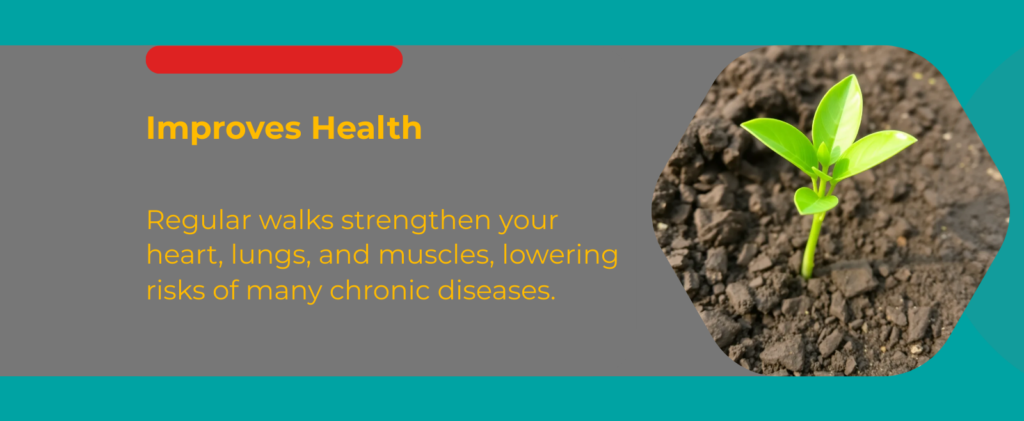
The NHS recommends at least 150 minutes of moderate activity per week, and brisk walking can certainly contribute to this. For most people, that’s 30 minutes a day, five days a week. It’s a target that’s genuinely achievable without making huge adjustments to your lifestyle.

Low Risk of Injury
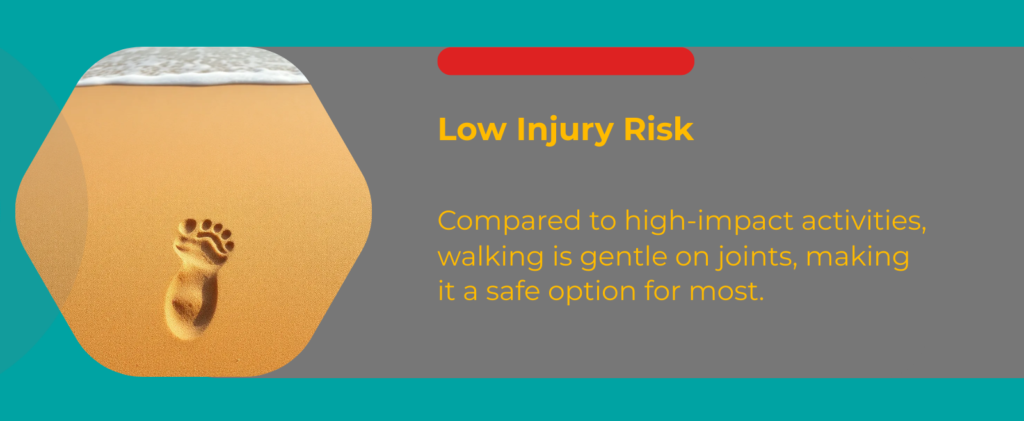
Another significant advantage of walking as an exercise is its low risk of injury. High-impact activities, such as running or competitive sports, can often lead to strains, sprains, and other injuries. In contrast, walking is a low-impact exercise that places minimal stress on the joints, making it safer for individuals of all ages, especially seniors. Its gentle nature allows beginners to gradually build their endurance without facing the harsh consequences seen in other forms of exercise.
Simplicity of walking
There’s no warm-up routine to follow, no class to book, and no equipment to buy beyond a decent pair of trainers. Walking integrates into a day rather than interrupting it. A walk to the shops, a lunchtime loop around the block, a stroll after dinner can add up faster than most people expect.
For those working from home, a short walk before or after the working day has been shown to replicate the mental transition that a commute once provided, helping the brain separate work time from rest time.
Walking and heart health
The cardiovascular benefits of walking are well established. A study published by the European Society of Cardiology found that regular brisk walking reduces the risk of coronary heart disease by around 19%.
Beyond the heart, regular walking helps maintain healthy blood pressure, improves cholesterol balance, supports blood sugar regulation, and reduces the risk of type 2 diabetes. It also burns calories, around 200–300 per hour depending on pace and body weight, not as much as running, but meaningful when done consistently.

Mental health benefits of walking
The mental health benefits of walking may be overlooked but they are arguably just as significant. The NHS recommends walking as a frontline intervention for mild to moderate depression and anxiety, for good reason. Walking triggers the release of endorphins, reduces levels of cortisol (the stress hormone), and for outdoor walks in particular, exposure to natural light helps regulate the circadian rhythm that governs sleep.
There’s also something to be said for the thinking space a walk provides. Some of the best problem-solving happens on foot, away from a screen. A study in the States found that creative output increased by an average of 60% during a walk compared with sitting. It’s not a coincidence that many writers, philosophers, and scientists have been habitual walkers.

By incorporating walking into daily activities, you can enjoy a healthier lifestyle while simultaneously being environmentally conscious.
The case for walking isn’t complicated. It’s free, it works, and unlike most forms of exercise, almost no one gives it up because it’s too hard. The only real barrier is making it a habit, and habits form faster when they’re attached to something you already do. A walk after lunch, around the block before your first meeting, or to the furthest bus stop rather than the nearest one. Start small, and it tends to stick.