Are energy drinks bad for you?
Energy drinks: 10-second summary
- High caffeine: Risk of anxiety, high blood pressure, insomnia
- High sugar: Risk of blood sugar spikes and crashes, and type-2 diabetes
- Dependency: Regular use can lead to stimulant dependency
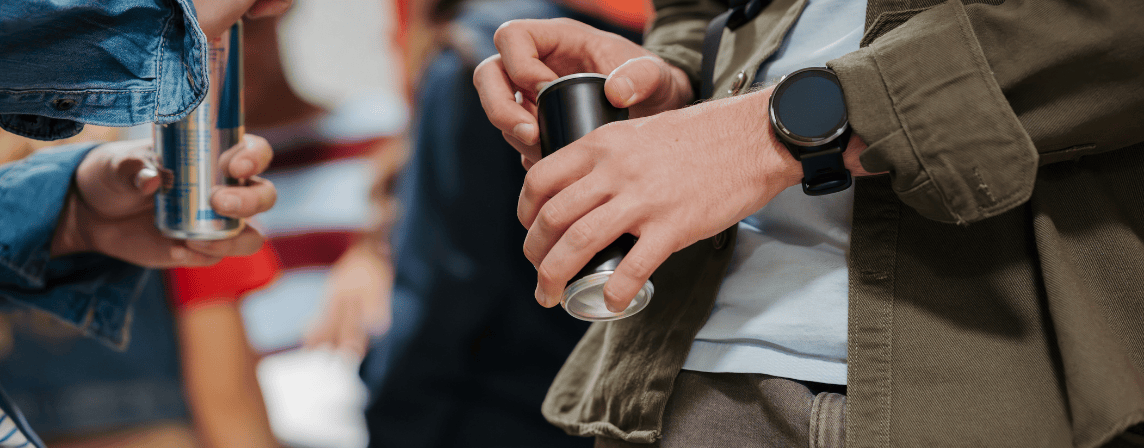
Energy drinks are hugely popular among teenagers and young adults, either due to slick branding and peer influence, or a genuine desire for a boost. They promise focus, stamina, and a quick fix for the mid-afternoon slump. However, beneath the marketing lies a chemical cocktail that may be doing more harm than good.
By their nature, these drinks exist to offer a temporary lift in alertness and vitality. This represents a fundamental problem because the human body should get energy and nutrients from food, sleep and exercise. Fatigue is the body’s way of telling us that we need a rest.
Moreover, the biggest market for these products is young adults, who should be in their prime. A healthy 16 year-old should have no reason to interrupt their physiology by introducing stimulants.
Many of us drink caffeine regularly with our daily cups of tea or coffee, but the naturally-present caffeine in a brewed beverage are natural and much lower than you’d find in a can of energy drink.
5 reasons not to buy energy drinks
⚡ High caffeine content
Most energy drinks are loaded with caffeine to provide a boost. Too much caffeine can cause anxiety, heart palpitations, insomnia, and in extreme cases, serious cardiovascular events.
🍯 High sugar content
With up to 40g of sugar per can, overconsumption can lead to weight gain, blood sugar spikes and crashes, and long-term risks like type 2 diabetes and tooth decay.
🎭 Masking fatigue
Energy drinks may temporarily suppress the feeling of fatigue but they don’t address the physiological reasons behind the lack of energy. If your body is tired, it needs rest.
😈 Misleading ingredient function
Many energy drinks claim to contain beneficial ingredients such as vitamins and ginseng for marketing purposes. However, their small quantities are hugely overshadowed by the harmful, addictive ingredients
🪝 Dependency
Regular consumption of these drinks gets your body accustomed to the stimulants. Abstaining can then lead to withdrawal symptoms such as headaches and mood swings.
How much caffeine is in your energy drink?
The big hitters for caffeine are Prime, Monster and Rockstar with between 160mg and 200mg of caffeine per serving. To put this into context, a shot of espresso coffee (albeit a much smaller portion size) contains about 63mg. With some energy drinks containing 200mg of caffeine, this is more than 5 times as much as in a can of regular Coca-Cola.
Use our caffeine tracker tool to check your caffeine intake against the guideline amounts.